ADHD Strengths: A Practical Guide to Turning Attention into Momentum
- 15 December 2025
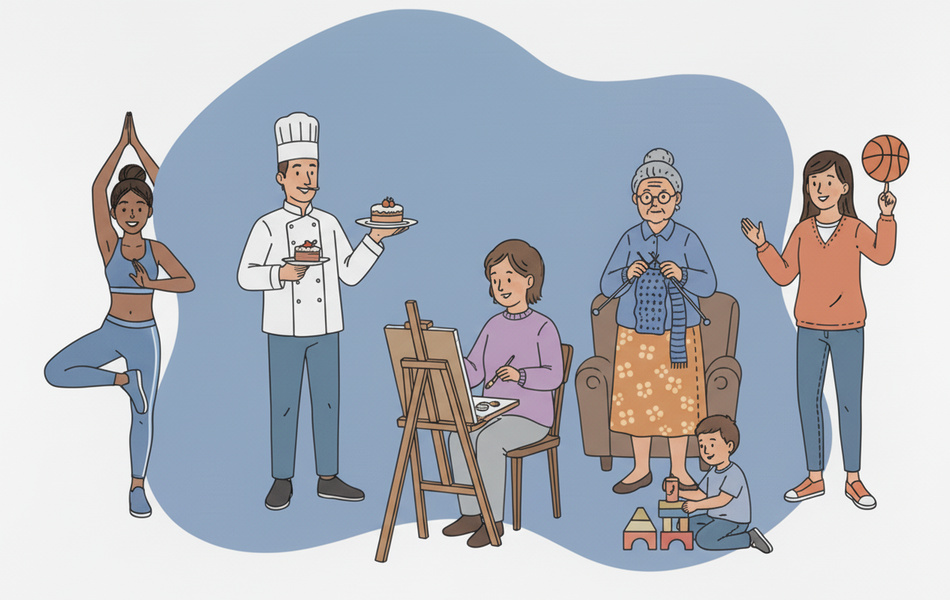
High-energy minds can be incredible problem-solvers when the environment matches their pace, constraints are clear, and next steps are visible.
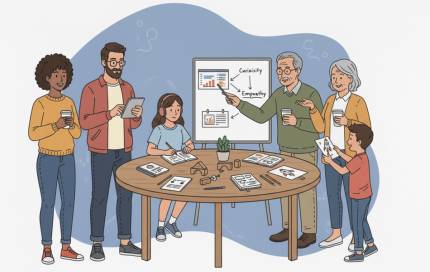
Many coaches map project roles around ADHD strengths to turn intense focus into reliable delivery on real deadlines.
Quick Wins You Can Use Today
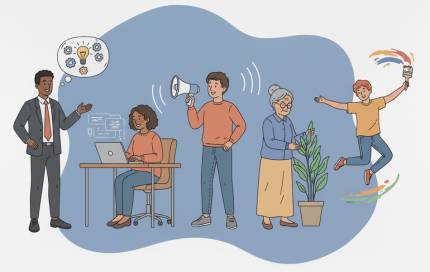
- In fast-moving sprints, teams let ideation happen first because the strengths of ADHD often shine during rapid brainstorming before refinement.
- To keep momentum, schedule short “start lines,” add visual timers, and end sessions with one concrete commitment per person.
For balanced conversations, some clinicians reference the strengths and weaknesses of ADHD symptoms and normal behavior scale while explaining what a screener can and cannot tell you.
From Insight to Action: Workflows That Fit
| Context | Tactic | Why It Helps |
|---|---|---|
| Solo deep work | During deep-work blocks, a single ADHD strength can be paired with time boxing to convert sparks into shipped results. | A clear start, a short window, and one visible outcome prevent overthinking. |
| Classrooms and studios | In classrooms, mentors design multi-modal tasks because the strengths of students with ADHD appear when movement and choice are built in. | Choice reduces friction, and movement channels energy into progress. |
| Team collaboration | Use “capture → cluster → commit” boards so ideas flow fast, then narrow to one owner and a tiny next step. | Visible state changes keep everyone aligned without long meetings. |
Skill Builders and Routines
- Block two short bursts daily for priority tasks, then batch messages when focus dips.
- Park distractions on a “later” list and schedule a small review window so nothing feels lost.
- For self-led practice, many adults bookmark thriving with adult ADHD skills to strengthen executive functioning as a simple checklist they can revisit weekly.
FAQ: Common Questions, Clear Answers
How do I talk about strengths without ignoring challenges?
Frame both sides: celebrate momentum makers, note friction points, and anchor changes in tiny, schedulable defaults that you can repeat tomorrow.
What if I’m new to planning tools and routines?
Start with one board, one timer, and one daily review, then add scaffolds only when a specific bottleneck shows up more than twice.
How do we adapt this for students?
Provide short instructions, flexible seating, and visible progress bars, then close with a two-minute reflection and a small, achievable next step.
Language Matters: Talk About Strengths with Care
Teams get further when feedback focuses on behaviors in context, celebrates wins, and treats experiments as data rather than judgments.
In summary sections for parents and managers, it helps to emphasize that the strengths of ADHD can drive creative problem-solving when tasks are broken into tiny starts and clear finishes.